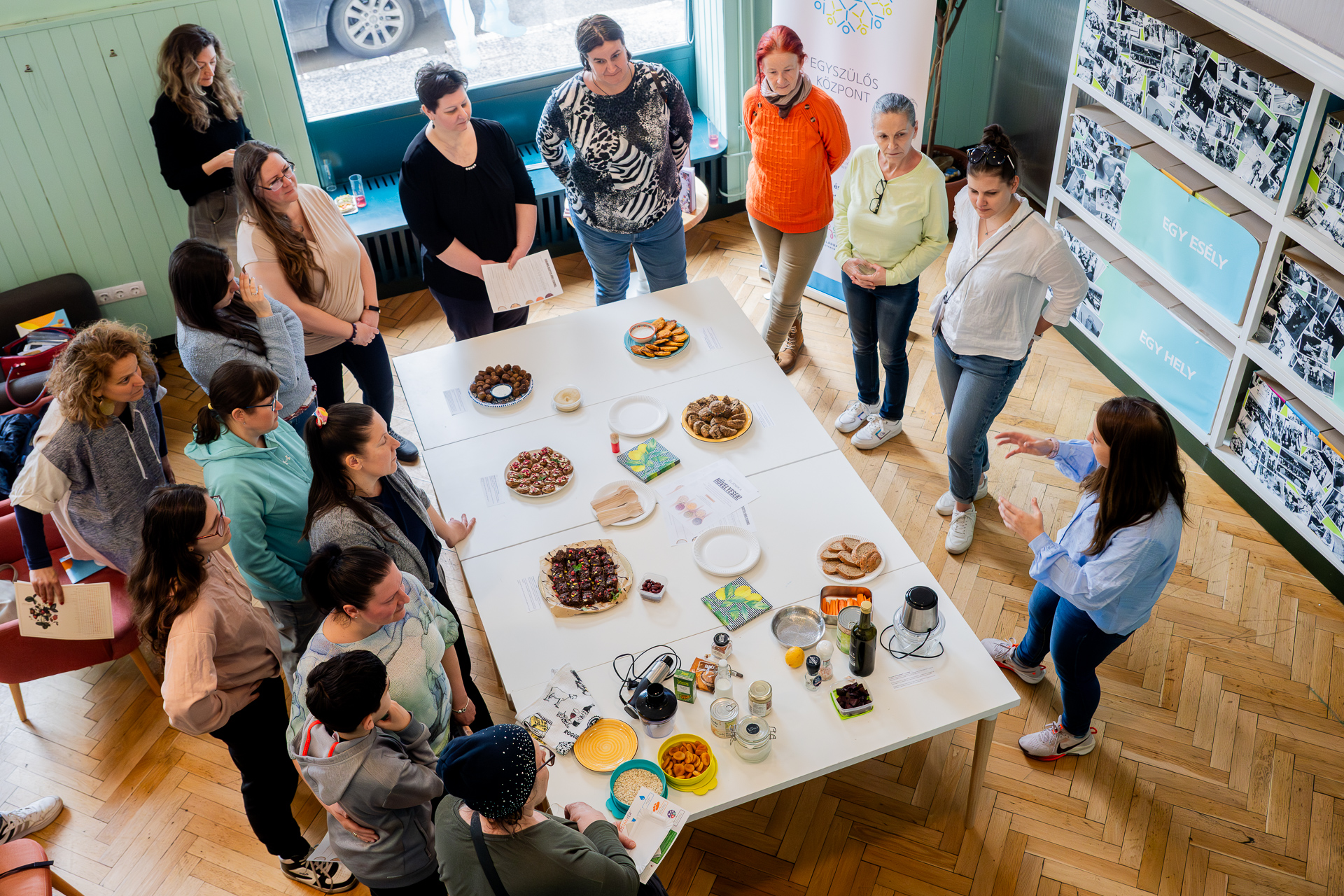
The Budapest LL’s PLAN’EAT project closing event was held on March 27–28, 2026. The two-day event—“The Plate of the Future – PLAN’EAT Festival”—brought together food system actors: researchers, producers, experts in public catering and policy, civil society organizations, and a broader professional audience and citizens.
The two days were organized around two complementary themes: the first day focused on professional dialogue, methodological lessons, and systemic connections, while the second day provided a space for community engagement, the consumer perspective, and experiential learning.
PLAN’EAT is a research project funded by the European Commission’s Horizon Europe framework program, aimed at transforming food systems and the food environment toward healthier and more sustainable dietary habits. The project builds on the collaboration of nine Living Labs (LLs) operating at the local level and a policy lab. ESSRG serves as the coordinator of the Hungarian Living Lab. Our target group consists of single parents, with whom we worked in close collaboration through the Single Parents’ Center. Our interventions focused on three key dietary areas (High Impact Behaviors – HIBs): increasing fruit and vegetable consumption, encouraging the incorporation of legumes, and reducing meat intake.
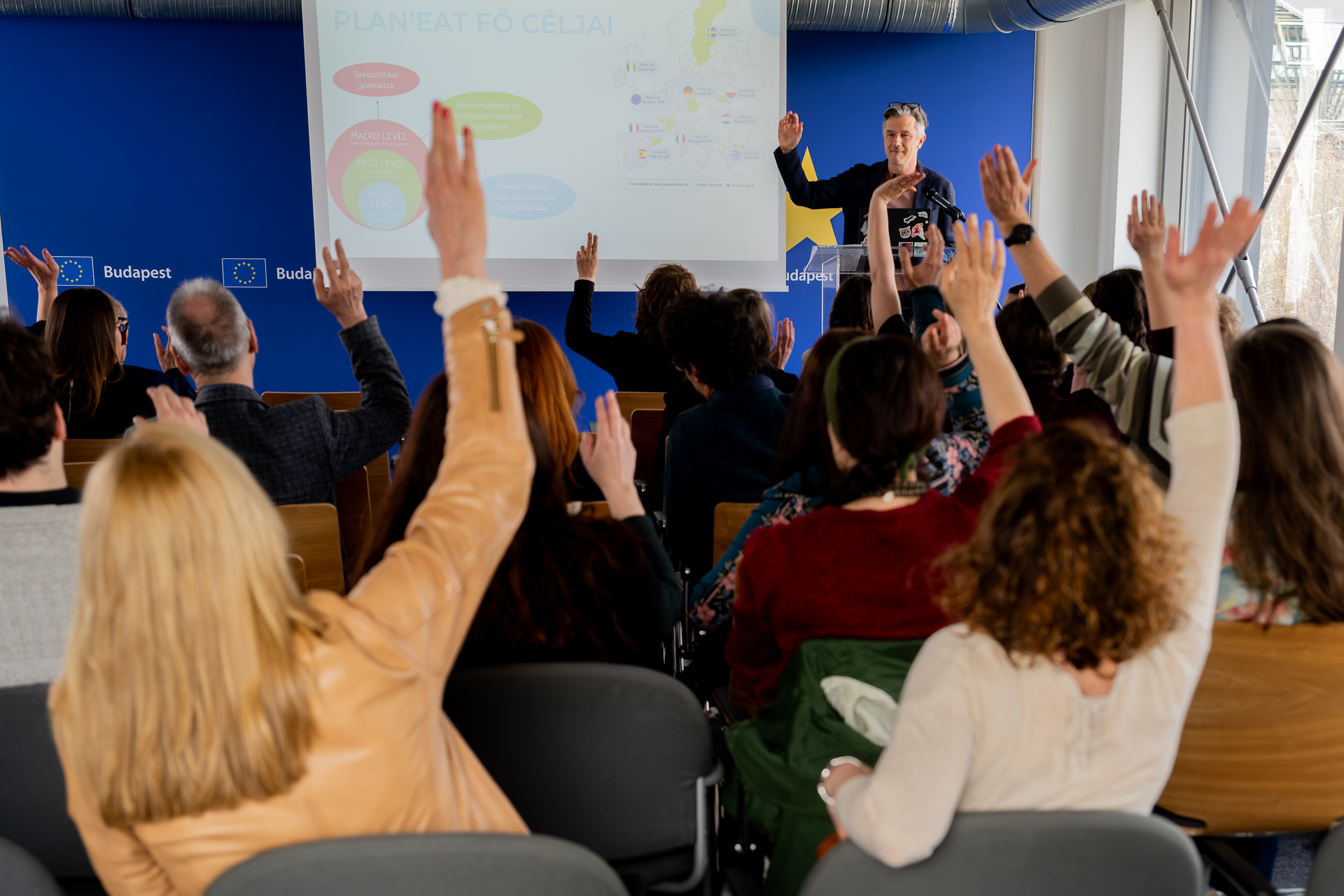
Our work was organized across three levels of intervention. At the closing event, Kata Varsányi presented the community and experimental approaches: the year-long garden program series implemented in collaboration with Budapest Bike Maffia, and the randomized controlled trial (RCT) conducted by ESSRG and Justus-Liebig University, which examined the effectiveness of behavioral interventions focused on HIBs. The methodology and results of the garden program series and the RCT clearly demonstrate the context and conditions under which measurable changes in individual dietary habits can be achieved. Vanda Pózner presented the institutional and network connections. A remarkable result is the food environment mapping survey and the related article, which examined the dietary environment of single parents. The meso-level experiences of Norma Grand and Csüccs Bistro enriched the intervention methodology. Representing VIMOSZ, Fruzsina Harmatos presented public food service synergies and sustainability initiatives within member organizations. Finally, Emese Antal summarized current developments in food policy and nutritional science, with particular regard to true cost accounting (TCA) and the evolution of international recommendation systems, including a comparison of international and Hungarian dietary recommendations. Zsófia Veér and Dr. Alfréd Szilágyi from Agri Kulti presented the results of the DIVINFOOD and LegumES projects, with a special focus on experiences with the promotion of domestic legumes.
The core of the event was an intensive, roughly 100-minute panel discussion covering the entire food chain, raising critical questions ranging from breeding to public catering and policy.
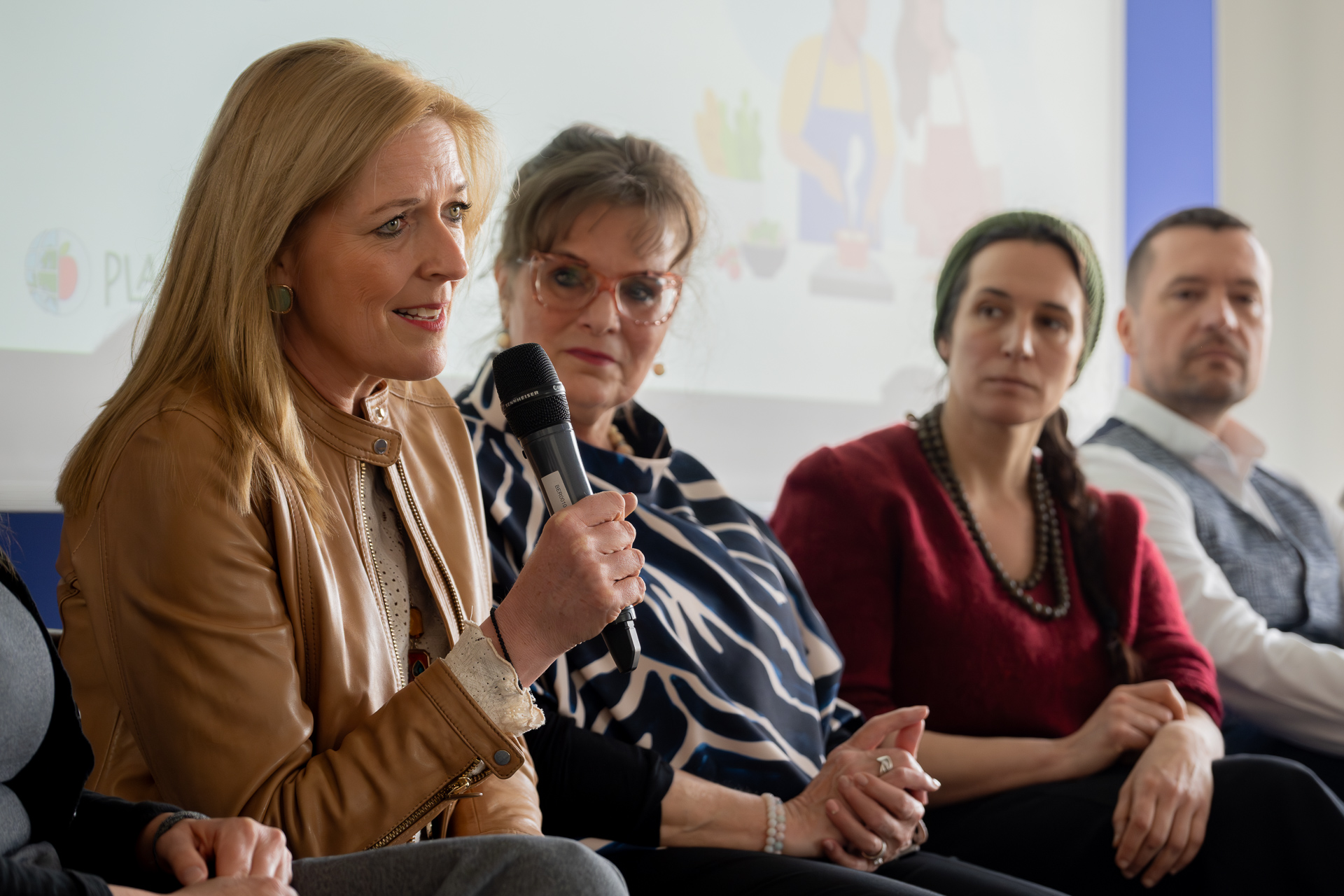
Panel participants: Dr. Péter Mikó, Hungarian Academy of Agricultural Research and Technology (plant breeding, legumes and grains), Zsolt Páger, National Association of Public Caterers and Food Service Managers (public catering food systems), Tünde Udvarnoki, Association of Conscious Consumers (consumer habits and preferences), Kinga Shenker-Horváth, Hungarian Dietetic Association (nutritional recommendations), Kinga Lucia Miháldy, National Centre for Public Health and Pharmacy (public catering and education), Piroska Kállay, European Economic and Social Committee (participatory democracy and food policy forums).
The panel was organized around five topics:
- What role does domestic breeding play in supporting a more sustainable, plant-based diet?
- What market barriers hinder the entry of locally and sustainably produced ingredients into supply chains and public catering?
- How can nutritional science recommendations (e.g., the Smart Plate) be effectively integrated into the daily practice of public catering, with particular regard to plant-based proteins?
- Why is there a gap between the ideal diet and actual consumer habits? What policy incentives could help?
- What are the most promising grassroots initiatives that could become systemic norms?
The discussion did not yield simple answers, but we never expected it to. The panel participants agreed that promoting sustainable, plant-based diets requires systemic changes and widespread education. Several participants highlighted the lack of information and the role of education—not only among children but also among parents and communities—as well as the importance of practical programs (e.g., school gardens, community initiatives). The transformation of public catering was also emphasized, where sustainability considerations and choices (e.g., meat-free options, self-service cafeterias) are already emerging. In addition, the challenges facing domestic agriculture, the potential of underutilized raw materials, and the need to integrate sustainable food systems at both the political and institutional levels—whether through domestic or European cooperation—were discussed.
What became clear: actors in the food system with differing positions (breeders, producers, dietitians, decision-makers, civil society organizations) view the obstacles and opportunities similarly, albeit through partially different logics. Perhaps the greatest value of the panel discussion was precisely that these differing logics came together around a table and made the opportunities for joint action visible.
At the end of the day, we collected the participants’ Living Lab experiences through a questionnaire. Based on the results, we will gain insight into the domestic food system innovation ecosystem, mapping out potential opportunities for collaboration and synergy.
The second day focused on community-building. The PLAN’EAT festival welcomed participants: single parents, children, and curious consumers. In the opening presentation, Emese Antal focused on single-parent households and outlined the dietary guidelines most relevant to children and families. Early in the day, Agri Kulti held a small-group focus group discussion with six participants on legume consumption habits and attitudes. This method serves as a good example of how consumer voices can be integrated into food system research.
Participants could visit a series of stands, where 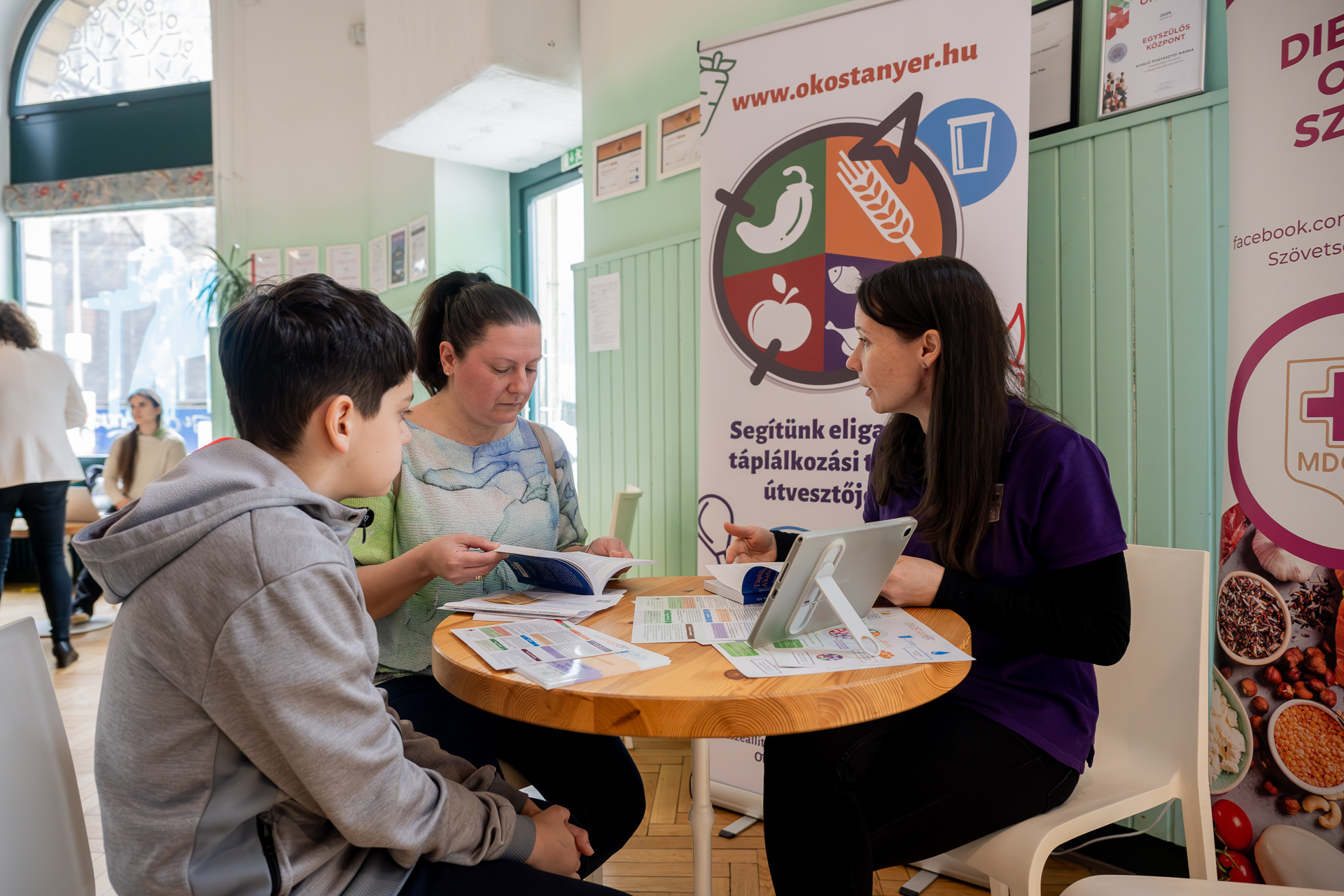 numerous stakeholders were present, ranging from Smart Plate’s dietary counseling to the Biodiversity Stand of the Association of Conscious Consumers, from student Petra Böröcz’s legume service design project from Moholy-Nagy University, to the Hungarian Dietetic Association. The Association of Conscious Consumers’ fermented legume workshop, as well as Agri Kulti’s and Tímea Okos’s lentil cream workshop and demonstration, showed how sustainable, plant-based eating can become a tangible, appealing experience.
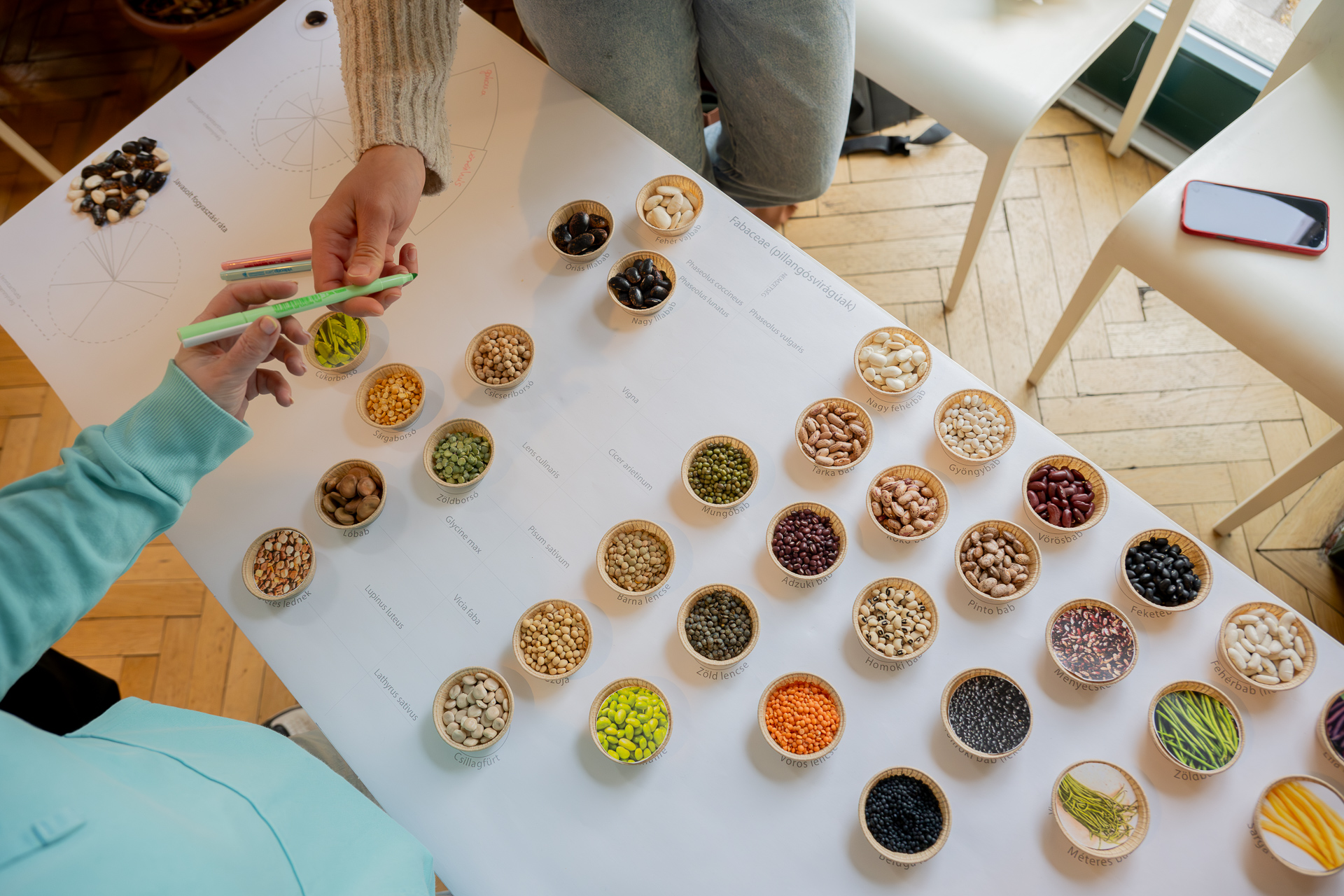 In the hall above, dietary counseling, health screenings, and beauty care sessions awaited visitors, providing a space for the holistic connection between nutrition and overall well-being. The Smart Snack program, paper theater shows, and other activities designed to engage children ensured that they, too, were active participants in the day, not just accompanying adults.
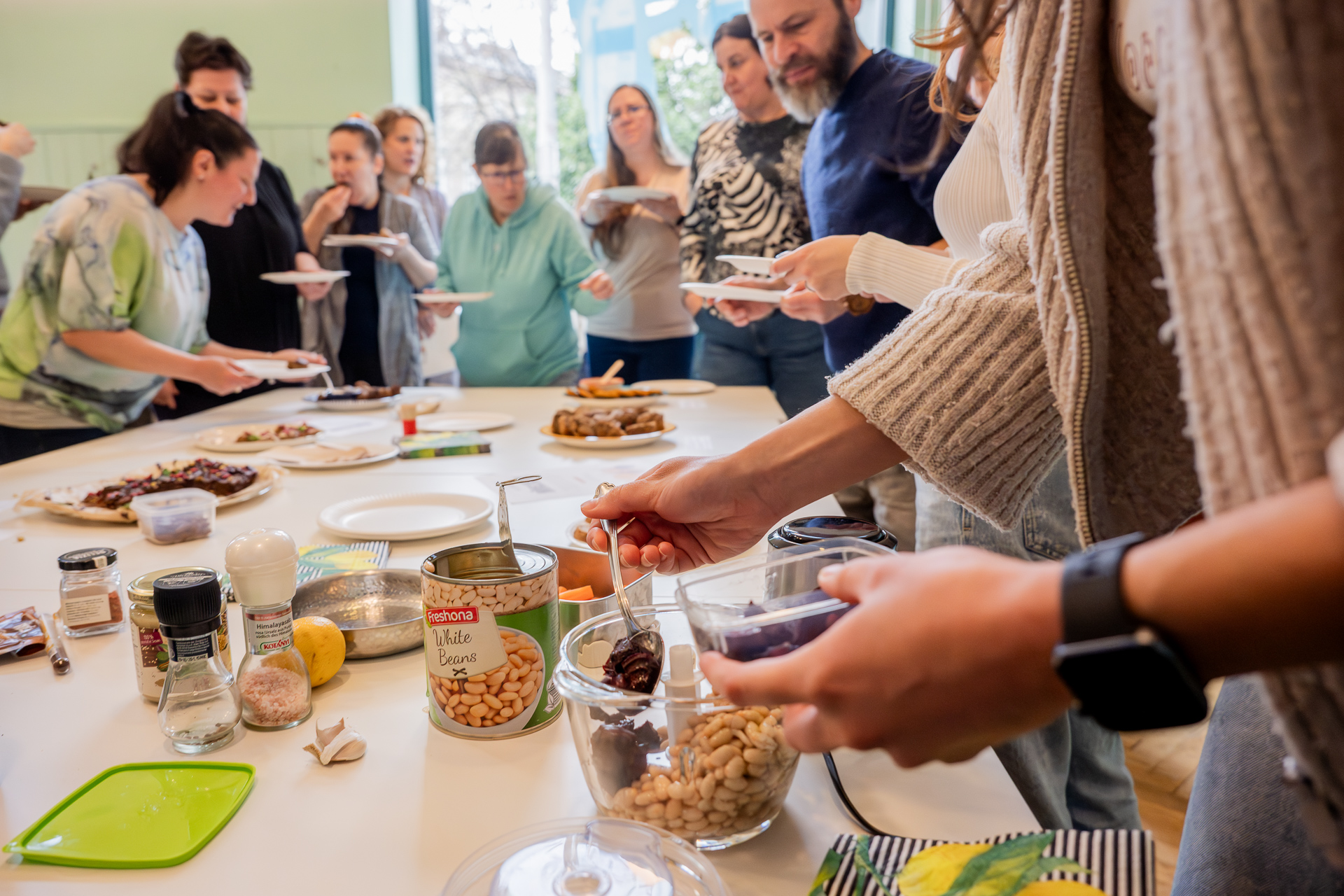 The two-day event reinforced what the PLAN’EAT project itself highlighted: transforming the food system does not happen through a single intervention, a single sector, or a single logic. Change requires the simultaneous presence of research knowledge, producer experience, civil society connections, and policy readiness, as well as platforms where these can interact meaningfully.
For ESSRG, the PLAN’EAT finale was both a summary of four years of work and the beginning of a new process. The synergy created here, the Living Labs, and the questions raised during the panel discussion do not end with the project’s closing date. You can find detailed information about the PLAN’EAT project’s results, publications, and databases on the https://planeatcenter.com/ website.
The closing event was made possible with the support of the European Union’s Horizon Europe framework program. The venue for the event was provided by Európa Pont and the Single-Parent Center. The views expressed at the event do not necessarily reflect the position of the European Commission.